![10 Unique Experiences in Pagosa Springs [2026 Guide]](/images/attractions/balloon-ride.jpg)
10 Unique Experiences in Pagosa Springs You Can’t Find Anywhere Else
Most visitors come to Pagosa Springs for the hot springs and skiing — and those are wonderful. But dig a little deeper and you’ll find extraordinary experiences that most tourists never discover. From soaring above the San Juan Mountains in a hot air balloon to mushing through snowy forests with a team of huskies, these unique activities will make your Pagosa vacation truly unforgettable.
1. Hot Air Ballooning Over the San Juan Mountains
Season: May through October
Duration: 3-4 hours (1-hour flight)
Best Time: Sunrise flights for calmest winds
There’s nothing quite like floating silently above the San Juan Mountains as the sun paints the peaks in shades of gold and pink. Pagosa’s high elevation, clear skies, and stunning mountain backdrop make it one of Colorado’s premier hot air ballooning destinations.
What to Expect
Your adventure begins before dawn with coffee and a safety briefing. As the balloon inflates — a dramatic process in itself — you’ll watch the burner roar and the colorful envelope take shape. Then, suddenly, you’re airborne.
The silence is profound. No engine noise, just the occasional blast of the burner and the wind. Below you, the San Juan Mountains unfold in all their glory — the Weminuche Wilderness stretching to the horizon, the San Juan River winding through the valley, and on clear days, views that extend into New Mexico.
Flight Details:
- Altitude: 500 to 3,000 feet above ground
- Distance: 5-15 miles depending on winds
- Champagne toast upon landing (a ballooning tradition dating to 1783)
- Flight certificate to commemorate your adventure
Why It’s Special
Ballooning gives you a perspective that’s impossible to achieve any other way. The combination of Pagosa’s dramatic mountain scenery, high altitude (thinner air means better visibility), and reliable weather patterns creates an experience that’s genuinely once-in-a-lifetime.
Book With: Local operators offer sunrise flights from various launch sites around Pagosa. Reservations recommended, especially during fall foliage season.
2. Dog Sledding Through the Weminuche Wilderness
Season: December through March
Duration: Half-day or full-day adventures
Best Time: January-February for best snow conditions
Imagine standing on the runners of a dog sled, a team of eager huskies straining against their harnesses, and then — release! — you’re gliding through silent, snow-covered forests with nothing but the sound of paws on snow and your own excited breathing.
The Experience
Dog sledding in Pagosa isn’t just a ride — it’s an immersive wilderness adventure. You’ll learn to harness the dogs, practice commands, and even take the reins yourself (under expert supervision). The trails wind through the Weminuche Wilderness, crossing frozen streams, climbing gentle ridges, and descending through aspen groves heavy with snow.
What You’ll Do:
- Meet the sled dogs — each with their own personality and name
- Learn mushing commands and sled handling
- Take turns driving and riding in the sled basket
- Enjoy hot cocoa and stories from your guides
- Warm up by a fire at a backcountry cabin (full-day trips)
Why Pagosa?
The San Juan Mountains receive some of Colorado’s heaviest snowfall, creating perfect conditions for dog sledding. The high altitude means dry, powdery snow that’s ideal for sled runners. And the wilderness setting — far from roads and development — provides the authentic experience of travel as it was done for thousands of years.
Pro Tip: Book early. Dog sledding is limited by the number of dogs and mushers available, and spots fill quickly during peak winter season.
3. Horse-Drawn Sleigh Rides Through Snowy Meadows
Season: December through March
Duration: 1-2 hours
Best Time: Evening rides for starlight and romance
For a more leisurely winter experience, nothing beats a horse-drawn sleigh ride through snow-covered meadows. Wrapped in warm blankets, bells jingling, you’ll glide through a winter wonderland that feels straight out of a Norman Rockwell painting.
Romantic Evening Rides
Many sleigh rides operate in the evening, when the stars blaze overhead and the only light comes from lanterns on the sleigh. Some include dinner at a remote cabin — think hearty chili, fresh bread, and hot apple cider served beside a crackling fire.
Perfect For:
- Couples seeking romance
- Families wanting a gentle winter activity
- Groups celebrating special occasions
- Anyone who wants to experience “old Colorado”
The Horses
The draft horses used for sleigh rides are gentle giants — often Percherons or Belgians weighing over a ton. They’re bred for this work, and the experienced wranglers who care for them ensure the horses are happy, healthy, and genuinely seem to enjoy their job.
4. Wolf Creek Wildlife Park: Up-Close Animal Encounters
Season: Year-round
Duration: 2-3 hours
Best For: Families, wildlife enthusiasts, photographers
Just a short drive from Pagosa Springs, Wolf Creek Wildlife Park offers something increasingly rare: the chance to see North American wildlife up close in naturalistic habitats. Unlike a traditional zoo, this park focuses on education and conservation while providing unforgettable encounters.
The Animals You’ll Meet
The park is home to species that once roamed freely throughout Colorado:
- Gray wolves — observe pack behavior and listen to their haunting howls
- Black bears — watch these powerful animals forage and play
- Mountain lions — see these elusive cats in a setting that mimics their wild habitat
- Bald eagles — America’s national symbol, rescued and unable to return to the wild
- Elk, deer, and bighorn sheep — Rocky Mountain icons
Educational Programs
Daily programs include:
- Keeper talks about wolf pack dynamics
- Birds of prey demonstrations
- Conservation education sessions
- Photography workshops (advance booking required)
Why Visit
In an era when wild animal encounters are increasingly rare, Wolf Creek Wildlife Park offers education, conservation, and genuine connection with species that most people will never see in the wild. It’s especially valuable for children, creating memories and fostering conservation awareness.
Photography Tip: Morning visits offer the best light and most active animals. Bring a telephoto lens for portraits.
5. Stargazing in a Gold-Tier International Dark Sky Community
Season: Year-round (best September-May)
Duration: Evening hours
Equipment Needed: Just your eyes, or bring binoculars/telescope
Pagosa Springs has earned Gold-Tier International Dark Sky Community status — one of only a handful in Colorado. This means light pollution is strictly controlled, making the night skies here among the darkest and most spectacular in the United States.
What You’ll See
On a clear night from Pagosa Forest Lodge:
- The Milky Way — a brilliant river of stars stretching across the sky
- Planets — Venus, Mars, Jupiter, and Saturn are often visible to the naked eye
- Meteor showers — the Perseids (August) and Geminids (December) are spectacular
- The International Space Station — visible as a bright, moving “star”
- Andromeda Galaxy — our nearest galactic neighbor, visible without a telescope
Best Stargazing Spots
- Your cabin deck — zero light pollution, comfortable seating
- Wolf Creek Pass — elevation over 10,000 feet, above much of the atmosphere
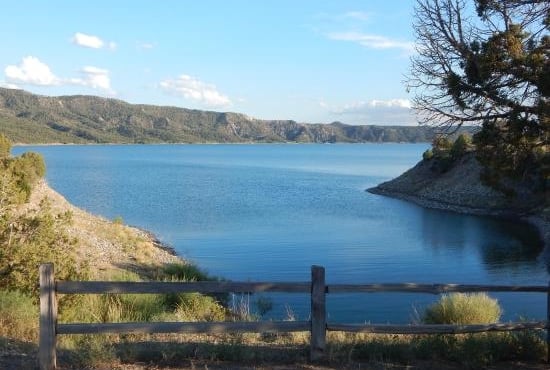
- Williams Creek Reservoir — dark skies reflected in still water
- Chimney Rock National Monument — combines archaeology with astronomy
Special Events
- Full moon hikes — guided walks that use moonlight instead of artificial light
- Astronomy programs — ranger-led sessions at Chimney Rock (summer)
- Meteor shower parties — organized viewing events during major showers
Pro Tip: Download a stargazing app like SkyView or Star Walk before your trip. They’ll help you identify constellations, planets, and satellites in real-time.
6. Chimney Rock National Monument: Ancient Astronomy
Season: May through September
Duration: Half-day
Best Time: Full moon programs and equinox events
Chimney Rock National Monument preserves one of the most significant archaeological sites in North America — an ancient Puebloan settlement that was occupied over 1,000 years ago. But this isn’t just another set of ruins. Chimney Rock was specifically chosen for its astronomical significance.
The Ancient Observatory
The Ancestral Puebloans who built Chimney Rock were sophisticated astronomers. They constructed their great house to align with:
- The major lunar standstill — an 18.6-year cycle when the moon rises between Chimney Rock and Companion Rock
- Solstices and equinoxes — the sun rises and sets at predictable positions on these days
- Pleiades alignment — the “Seven Sisters” constellation held special significance
The Full Moon Program
The monument’s signature experience is the Full Moon Program. You’ll hike to the great house at sunset, learn about the ancient astronomers who once stood where you’re standing, and watch the full moon rise between the twin rock spires — exactly as it did a thousand years ago.
Limited Availability: Only 50 people per program, and they sell out months in advance. Book early.
What Makes It Unique
Very few places in the world allow you to stand where ancient astronomers stood and see the same celestial events they witnessed. Chimney Rock is one of them. The combination of archaeology, astronomy, and stunning scenery creates an experience that’s both educational and deeply moving.
7. Fly Fishing the Gold Medal Waters of the San Juan River
Season: Year-round (best March-November)
Duration: Half-day to multi-day
Skill Level: Beginner to expert
The San Juan River below Navajo Dam is legendary among fly fishermen. This “Quality Waters” section produces more trout per mile than virtually any other river in the United States — and they’re big, smart, and challenging.
Why the San Juan Is Special
- Fish density: 10,000+ trout per mile in the Quality Waters section
- Size: 16-20 inch fish are common; 24+ inchers are caught regularly
- Year-round fishing: The tailwater stays a consistent temperature, so insect hatches (and feeding fish) happen all year
- Technical challenge: These fish have seen every fly pattern invented, so presentation is everything
The Experience
Whether you’re a seasoned angler or have never held a fly rod, the San Juan delivers. Local guides know every riffle, run, and seam. They’ll teach you the specialized techniques needed here — tiny flies (#22-26), fine tippet (6X-7X), and drag-free drifts.
What You Might Catch:
- Rainbow trout — the most common, known for spectacular fights
- Brown trout — the river’s apex predators, cunning and selective
- Cutthroat trout — Colorado’s native species, beautiful and fierce
Non-Anglers Welcome
Even if you don’t fish, the San Juan River corridor is beautiful. The Cottonwood Campground, wildlife viewing, and riverside hiking make this a worthwhile destination for everyone.
8. Off-Road Adventures: Jeep Trails and 4x4 Exploring
Season: June through October
Duration: Half-day to full-day
Vehicle: Jeep, ATV, or side-by-side rentals available
Pagosa Springs sits at the edge of the San Juan Mountains, surrounded by hundreds of miles of Forest Service roads, Jeep trails, and 4x4 routes. These unpaved passages lead to alpine lakes, ghost towns, wildflower meadows, and viewpoints that few visitors ever see.
Popular Routes
Owl Creek Pass — A dramatic high-mountain crossing with views of Chimney Rock and the Piedra River valley. The road climbs to over 10,000 feet, passing through aspen groves and alpine tundra.
Stony Pass — Historic wagon road used by miners in the 1800s. Crosses the Continental Divide at 12,650 feet, with views that extend for a hundred miles.
Williams Creek/Trail Lake — Accessible but beautiful drive to a high mountain lake surrounded by peaks. Excellent fishing and photography.
Piedra River Canyon — Follows the wild and scenic Piedra River through a dramatic canyon. Multiple river crossings and narrow shelf roads.
Rental Options
Don’t have a 4x4? No problem. Local outfitters rent:
- Jeeps — the classic choice for rough terrain
- ATVs — single or double riders, perfect for couples
- Side-by-sides (UTVs) — comfortable, powerful, and fun
Guided Tours: Available for those who want expert navigation and local knowledge.
9. Waterfall Hiking: Treasure Falls and Beyond
Season: May through October (best May-June for flow)
Duration: 1-4 hours depending on trail
Difficulty: Easy to moderate
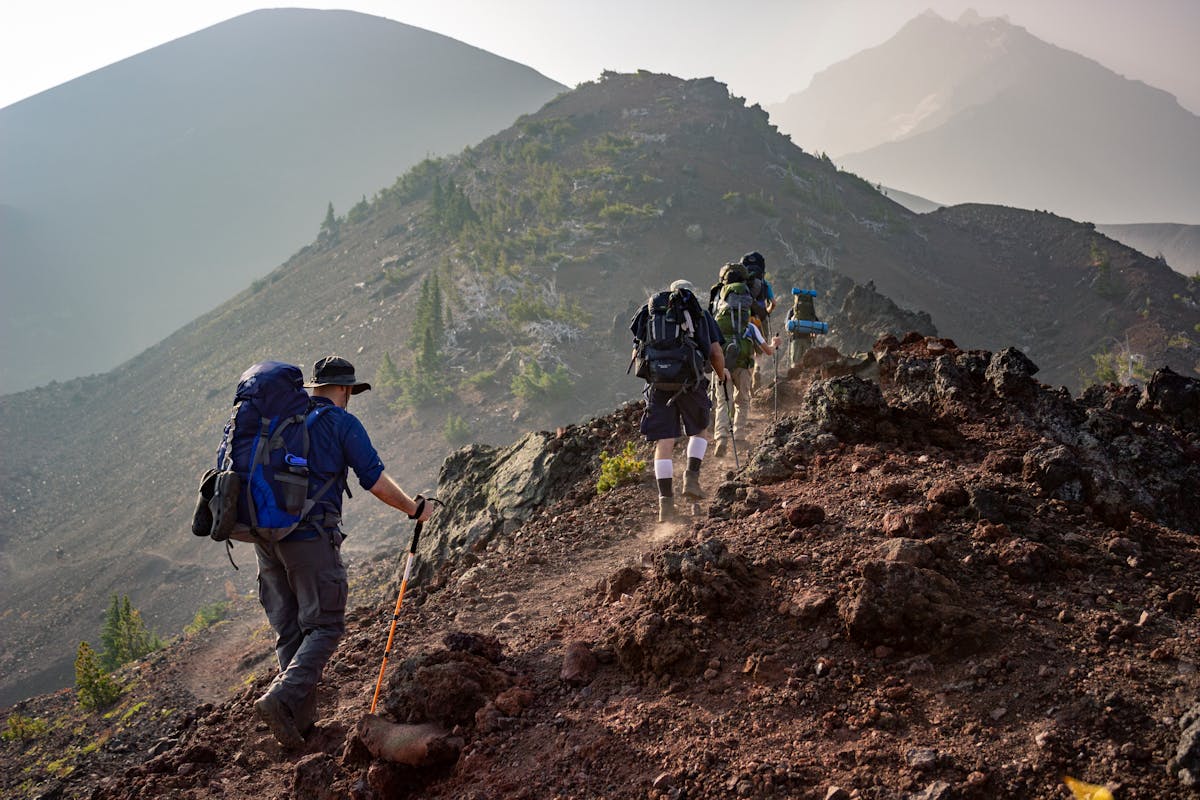
The San Juan Mountains are blessed with abundant water, and where water falls, waterfalls form. Pagosa’s waterfall hikes range from easy roadside stops to challenging backcountry treks.
Treasure Falls
The most accessible waterfall near Pagosa, Treasure Falls plunges 105 feet down a volcanic cliff face. The trail is just 0.8 miles round-trip with a modest elevation gain — perfect for families or anyone wanting a quick nature fix.
Legend Says: The falls got their name from a French mining expedition that supposedly buried gold in the area in the 1790s. Whether the treasure exists or not, the falls themselves are treasure enough.
Other Notable Falls
Piedra Falls — A short hike leads to this picturesque cascade on the Piedra River. Swimming hole below the falls in summer.
Fourmile Falls — A more challenging 5-mile round-trip hike rewards you with a spectacular 200-foot waterfall.
Silver Falls — Located on the Silver Creek Trail, this 80-foot waterfall is beautiful but requires a longer hike to reach.
Photography Tips
- Use a tripod — Slow shutter speeds (1/4 to 2 seconds) create that silky water effect
- Visit after rain — Waterfalls are most impressive when swollen with runoff
- Early morning — Best light and fewer crowds
- Polarizing filter — Reduces glare on wet rocks and foliage
10. Ghost Town Exploring: Mining History in the San Juans
Season: June through October
Duration: Half-day to full-day
Access: High-clearance vehicle recommended for some sites
The San Juan Mountains were one of America’s great mining districts in the late 1800s. Boom towns sprang up overnight, attracting thousands of fortune seekers. When the ore played out, the towns were abandoned — leaving behind ghost towns that fascinate visitors today.
Accessible Ghost Towns Near Pagosa
Pagosa Junction — Just 20 minutes from town, this old railroad and timber town has several remaining structures and a cemetery. Easy access by car.
Platoro — At over 10,000 feet elevation, this mining camp had a post office from 1897-1903. Several cabins and mining ruins remain.
Summitville — One of Colorado’s most significant mining sites, with extensive ruins and a dramatic alpine setting. High-clearance vehicle required.
Howardsville — A well-preserved ghost town with several intact buildings, including an old hotel and miners’ cabins.
What You’ll See
- Miners’ cabins — often just logs chinked with mud, barely habitable even in their prime
- Mine shafts and adits — dark openings in the mountainside (stay out — they’re dangerous)
- Mills and processing equipment — the machinery that extracted precious metals from ore
- Cemeteries — poignant reminders of the hard lives these miners lived
Safety First
Ghost towns are fun to explore, but remember:
- Never enter mines or shafts — they’re unstable and may contain toxic gases
- Watch for open pits — many mines have unmarked vertical shafts nearby
- Respect the sites — take photos, leave artifacts in place
- Tell someone your plans — these are remote areas with no cell service
Planning Your Unique Pagosa Experiences
These ten experiences represent just a fraction of what makes Pagosa Springs special. Whether you’re soaring above the mountains in a balloon, mushing through snow with sled dogs, or exploring ancient ruins under star-filled skies, you’re creating memories that will last a lifetime.
Stay at Pagosa Forest Lodge
Our 4-bedroom cabin puts you at the center of all these adventures:
- 15 minutes to Chimney Rock and Wolf Creek Wildlife Park
- 20 minutes to Wolf Creek Ski Area (for winter activities)
- Direct access to San Juan National Forest trails
- Private hot tub for relaxing after your adventures
- Pet-friendly — bring your dog along for the journey
Book your unique Pagosa getaway →
Have questions about any of these experiences? Contact us — we’ve tried them all and can help you plan the perfect itinerary!
![Altitude Sickness in Pagosa Springs: Complete Guide [2026]](/images/attractions/hiking.jpg)